


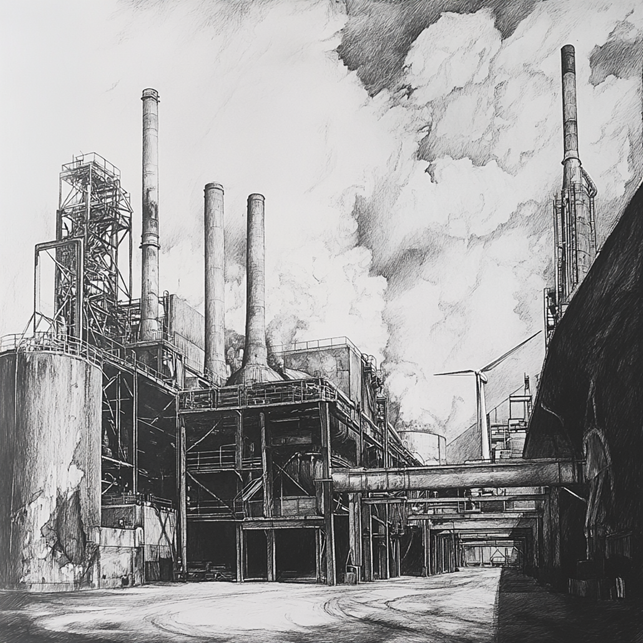
European Commission Unveils Comprehensive Steel and Metals Action Plan to AddressCompetitiveness and Decarbonization Challenges
The European Commission has released a detailed European Steel and Metals Action Plan, outlining a strategic roadmap to address the pressing challenges facing the continent’s steel and metals industries. The plan, published on March 19, 2025, aims to bolster the competitiveness, sustainability, and resilience of these critical sectors, which are foundational to Europe’s industrial base, economic security, and defense cap
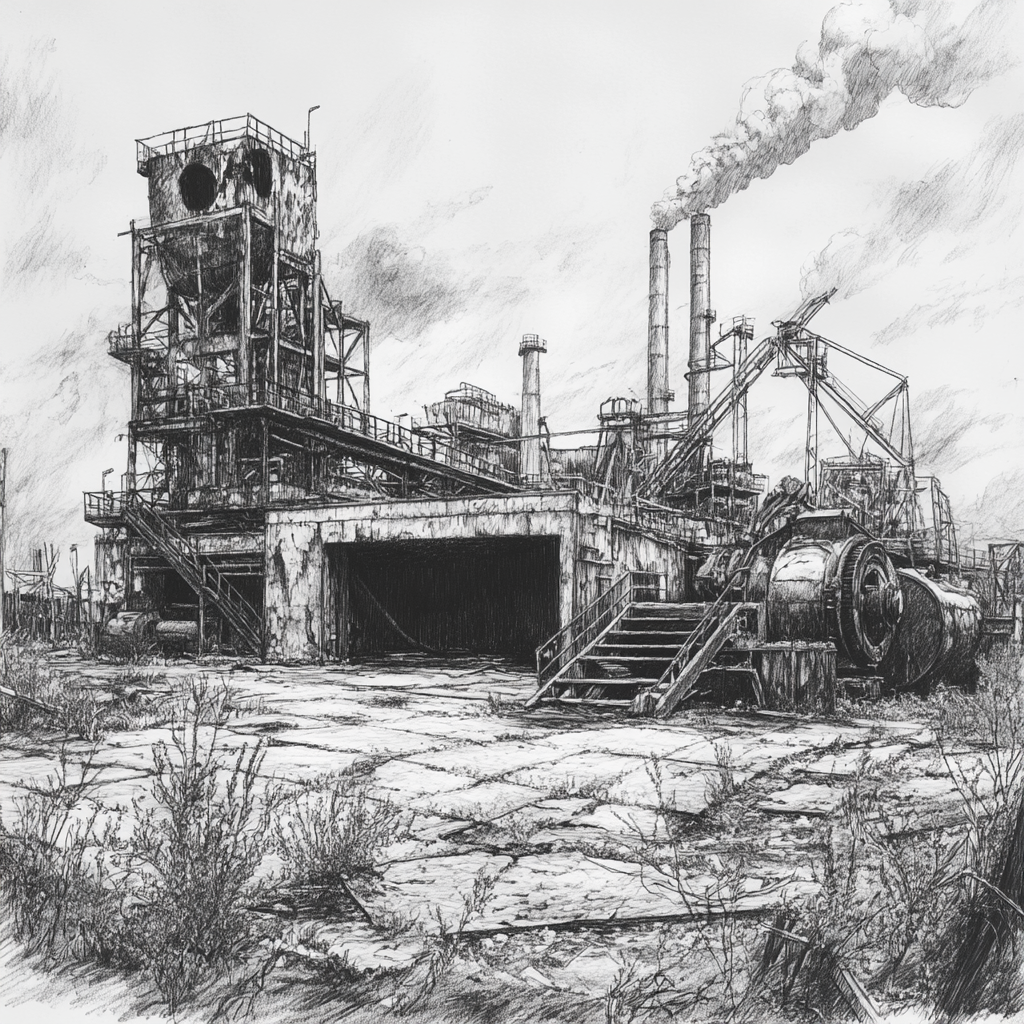
The Decline of European Steel: How Economic Crisis and Overregulation Are Undermining Technological Leadership
European steel has long been a benchmark for quality and innovation, leading the global market in the development of advanced grades for automotive, aerospace, and energy applications. However, the sector is now in a critical state. The combined pressure of an ongoing economic crisis, surging energy costs, and an uncompromising regulatory focus on sustainability is eroding the industry’s competitive edge. Meanwhile, non-EU
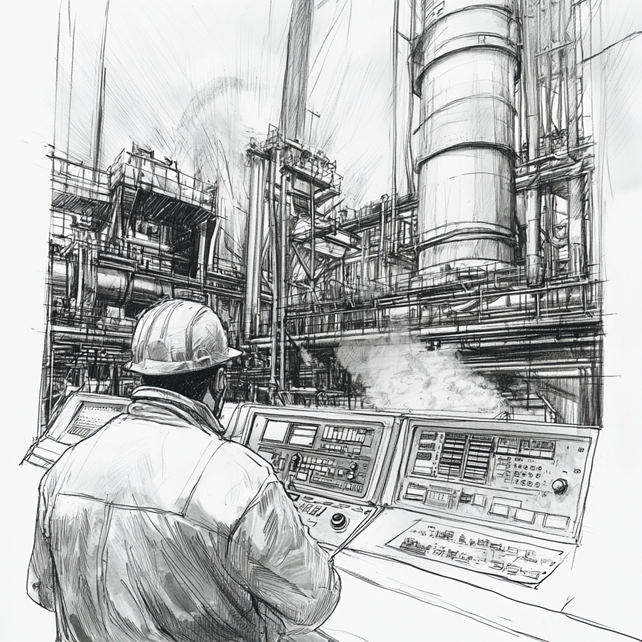
Sustainability Is an Empty Promise Without Energy Efficiency: The Hard Truth Behind Industrial
Sustainability has become the corporate mantra of the 21st century. Net-zero targets, green steel, hydrogen-based processes, and carbon offsets dominate the headlines. Yet, beneath the surface of these ambitious declarations lies an uncomfortable reality: without energy efficiency, sustainability in heavy industry is nothing more than an illusion.
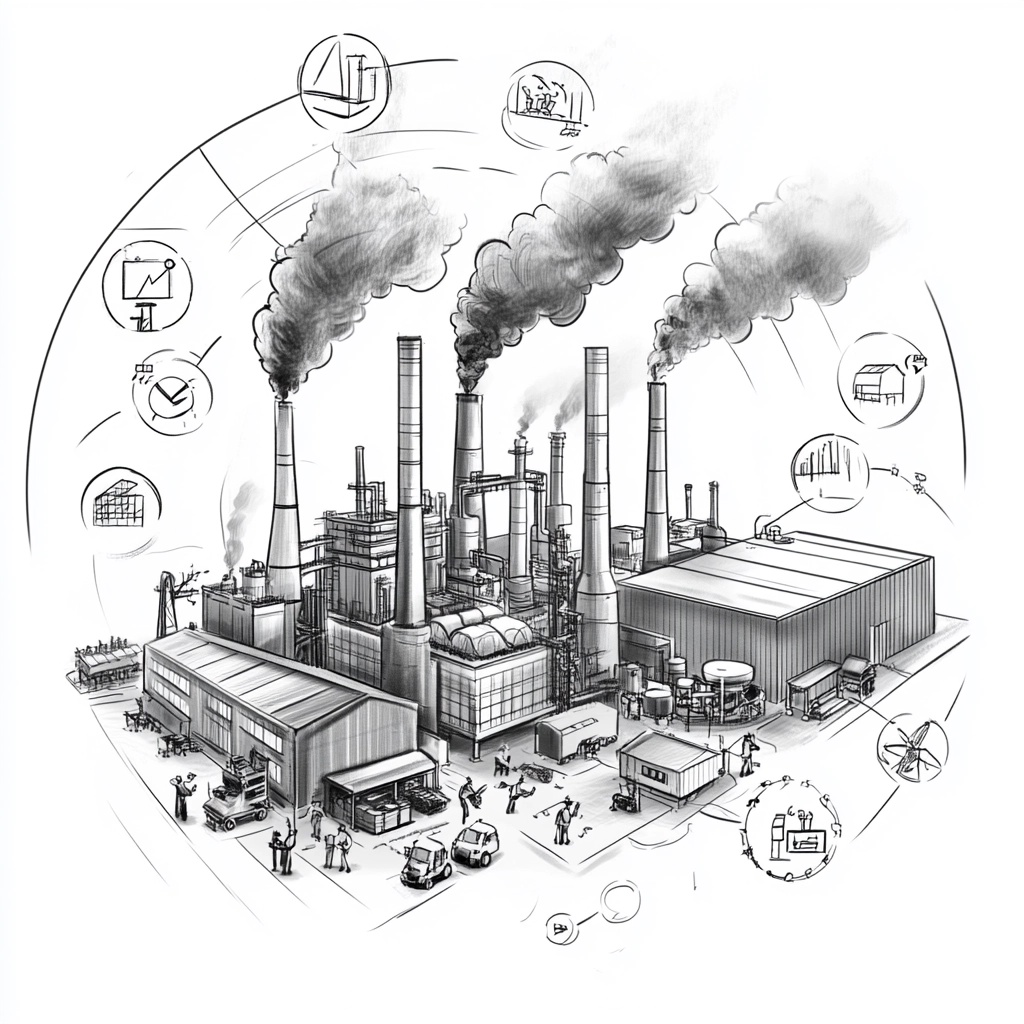
Corporate Greenhouse Gas Inventory and Lean Energy Approaches
Today, in addition to energy use, it is crucial for organizations to assess their overall impact on global climate change. Corporate greenhouse gas (GHG) inventories help companies identify opportunities for emission reduction. A GHG inventory is an accounting system that tracks the amount of greenhouse gas emissions released into or removed from the atmosphere over a given period. These inventories allow companies to analyz

Batch Annealing in 100% Hydrogen: An Evolution in Cold-Rolled Material Processing
As professionals in the steel and manufacturing industries, we’re always on the lookout for ways to refine processes, improve material quality, and reduce costs. When it comes to annealing cold-rolled materials, the adoption of batch annealing in 100% hydrogen represents a significant evolution in the field. While this method is often seen as innovative, it’s important to note that it builds on decades of industry experi
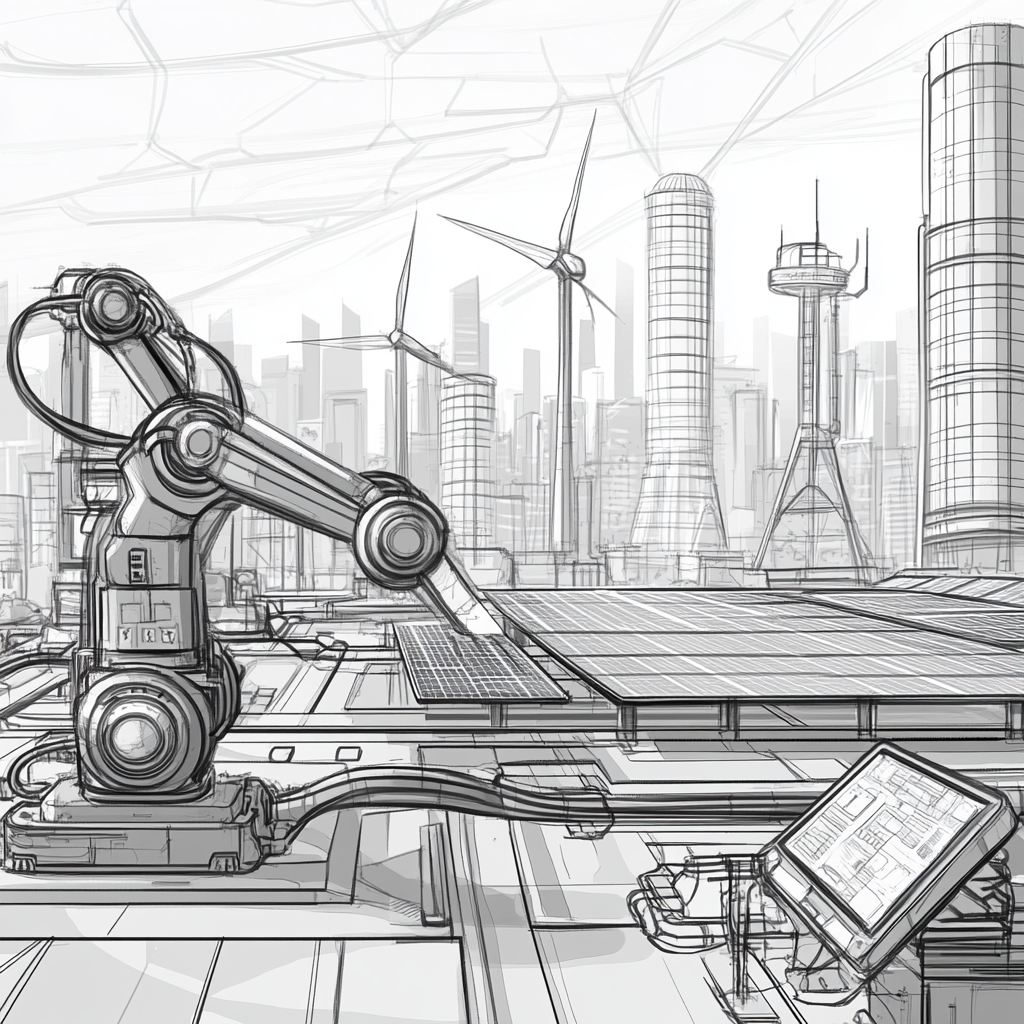
Sustainable Energy and the Digital Circular Economy with Industry 5.0: The Energy Transformation of the Future
Industry 5.0 and the Digital Circular Economy (DCE) not only transform production and consumption processes, but also offer great potential for energy management and the use of sustainable energy sources. This new industrial revolution creates significant opportunities in areas such as energy efficiency, renewable energy integration and optimization of energy consumption.
An Espresso with Albert Sauveur: Exploring the Impact of Metallurgical Research on Steel Quality and Innovation
Dive into a fictional conversation with Albert Sauveur, a pioneering metallurgist, as he discusses the critical role of phase diagrams, advanced tools, and metallurgical research in shaping steel quality and innovation.
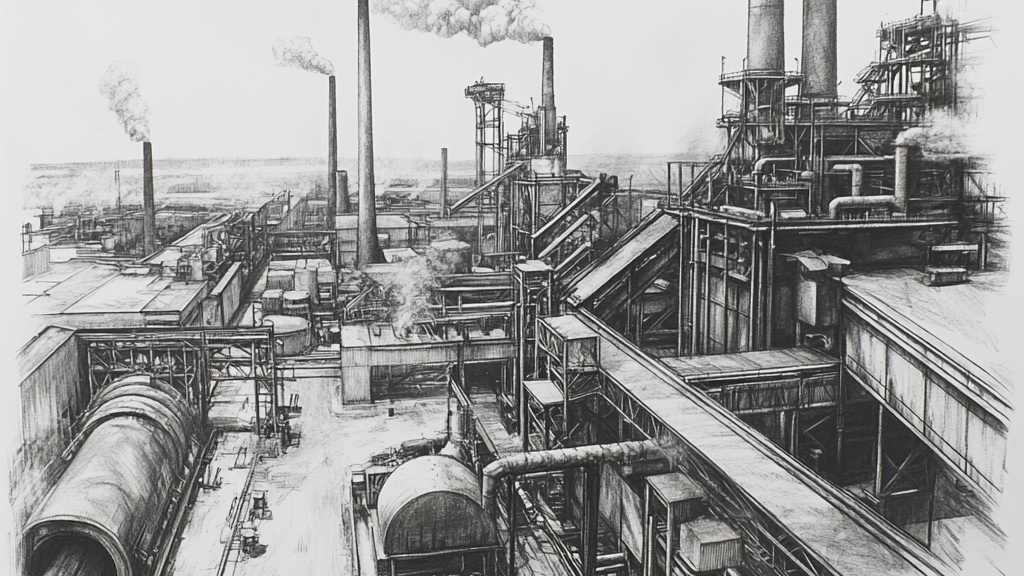
Is Electrification Really the Key to Sustainability?
This article critically examines the electrification trend, particularly in heavy industries like steelmaking, challenging the notion that electrification is inherently greener than combustion-based processes.

Protective Oils in Cold Rolled (CRC) and Hot-Dip Galvanized (HDG) Steel: Corrosion Resistance and Formability
This in-depth exploration highlights the critical role of protective oils and surface texture in Cold Rolled (CRC) and Hot-Dip Galvanized (HDG) steels, emphasizing their impact on corrosion resistance, formability, and process optimization.
An Espresso with Cyril Stanley Smith: Exploring Advanced Metallurgical Processes and the Future of Materials Science
This engaging fictional interview with metallurgical pioneer Cyril Stanley Smith explores the evolution of materials science, the impact of advanced metallurgical processes, and the future of sustainable innovations in the industry.