


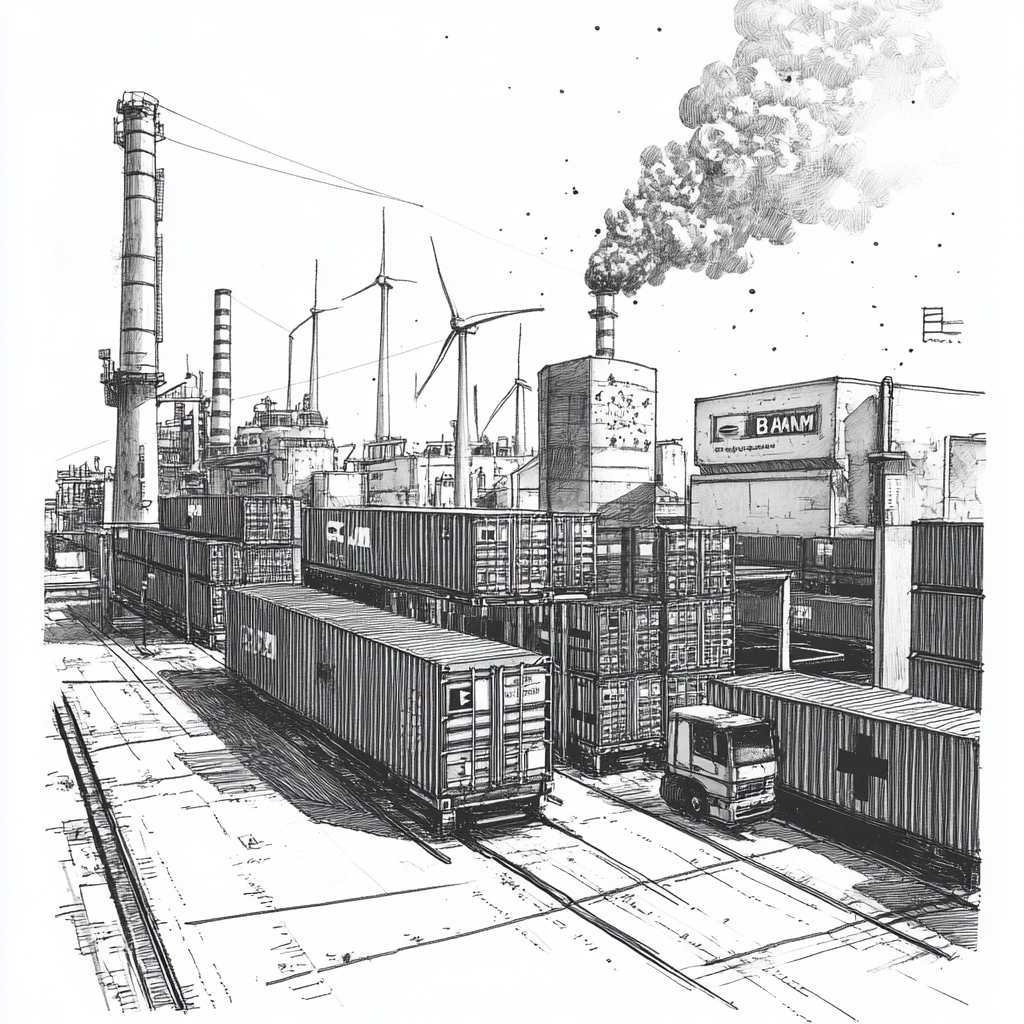
CBAM: New Commission Proposal to Simplify and Strengthen
The European Commission has adopted a new package of proposals to simplify EU rules, enhance competitiveness, and unlock additional investment capacity. This is an important step towards creating a more favorable business environment that supports the growth, innovation, and job creation of EU companies. By integrating competitiveness and climate goals, we are creating the necessary conditions for EU businesses to thrive, at

Sustainable Energy and the Digital Circular Economy with Industry 5.0: The Energy Transformation of the Future
Industry 5.0 and the Digital Circular Economy (DCE) not only transform production and consumption processes, but also offer great potential for energy management and the use of sustainable energy sources. This new industrial revolution creates significant opportunities in areas such as energy efficiency, renewable energy integration and optimization of energy consumption.
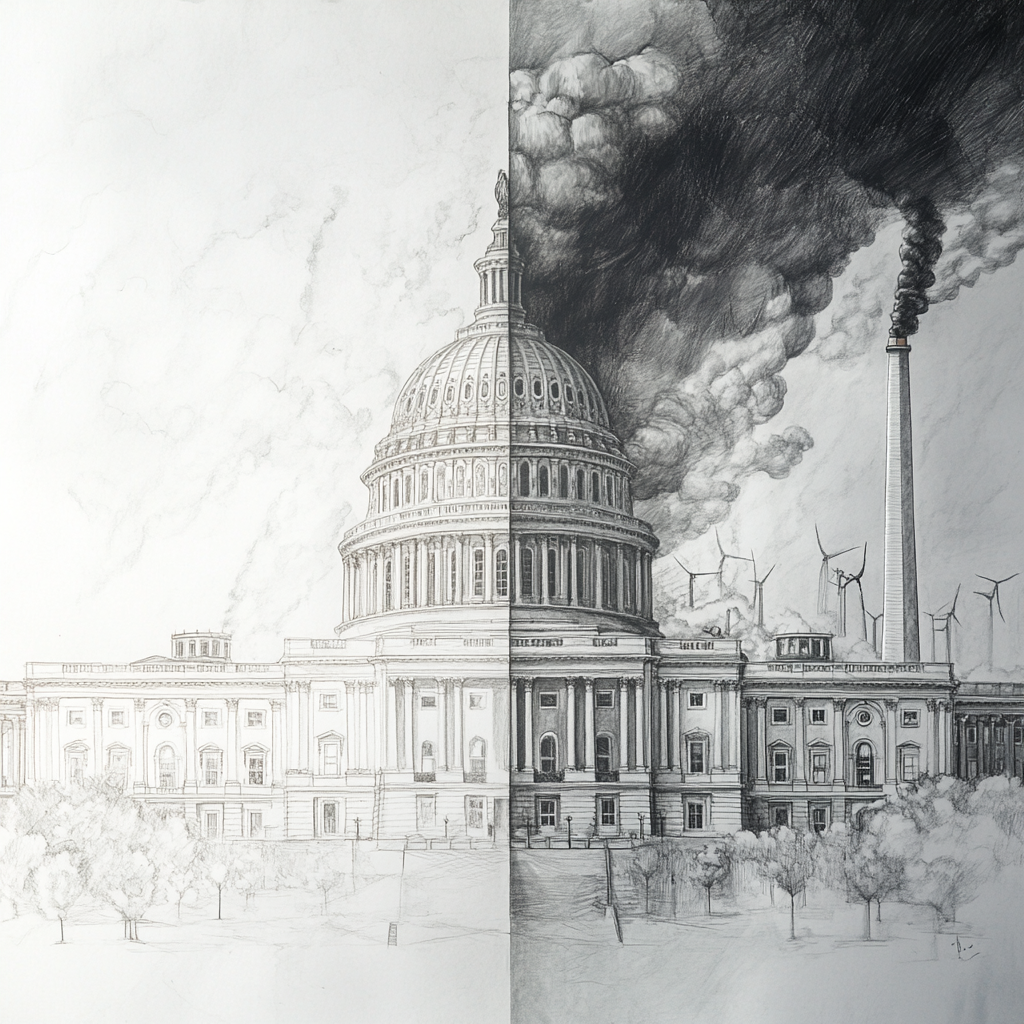
The U.S. and the Paris Agreement: A Rollercoaster of Climate Policy Under Trump and Biden
The Paris Agreement, adopted in 2015, stands as one of the most significant global efforts to combat climate change. Nearly 200 countries pledged to limit global warming to 1.5°C above pre-industrial levels, with each nation submitting its own emissions reduction targets. The United States, as one of the world’s largest historical emitters of greenhouse gases, has played a pivotal role in shaping the agreement—but its c

The CBAM Portal: A New Tool for Third-Country Operators
The European Commission has launched the CBAM Portal for Third-Country Operators of Installations (O3CI) as part of the Carbon Border Adjustment Mechanism (CBAM) Definitive System. The portal, operational since January 1, is designed to help non-EU operators comply with CBAM regulations. Key features include registration of operators, submission of installation details, and secure sharing of emissions data. Operators can als
Article 6.4 and the New Standards for the Carbon Market: Lessons from COP29
The 29th United Nations Climate Change Conference (COP29) marked a pivotal moment in global climate policy by establishing a new carbon market framework under Article 6.4 of the Paris Agreement. Held in Baku, Azerbaijan, this conference saw the approval of stringent rules for international carbon trading, providing a transparent and reliable framework for the use of carbon credits by countries and companies.
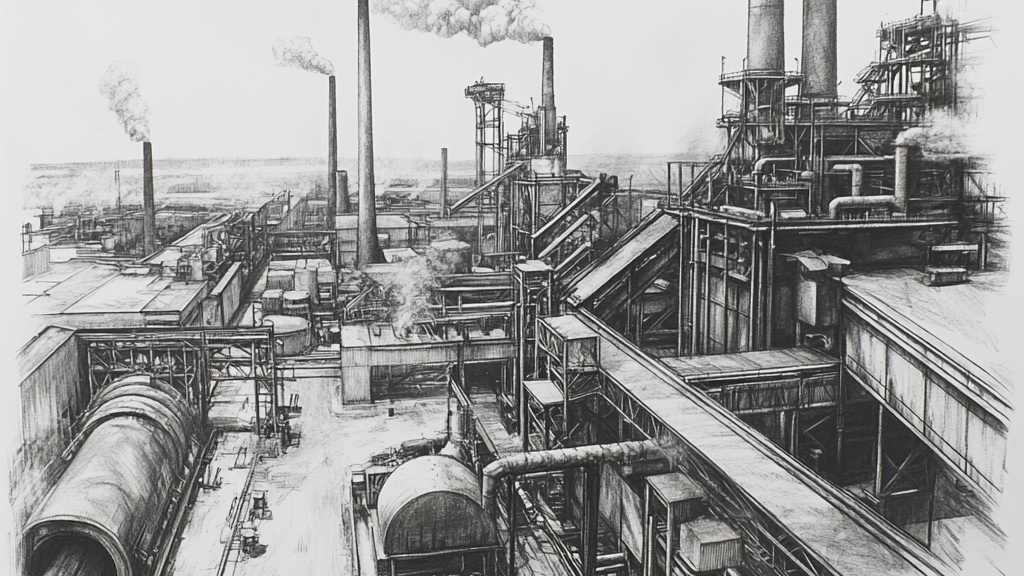
Is Electrification Really the Key to Sustainability?
This article critically examines the electrification trend, particularly in heavy industries like steelmaking, challenging the notion that electrification is inherently greener than combustion-based processes.

The Transitional Phase of CBAM: A Critical Examination of Its Shortcomings
A critical analysis of the transitional phase of CBAM, revealing systemic flaws in emissions data collection, over-reliance on default values, and implications for its future success.