Abstract
The lean energy approach aims to simultaneously achieve environmental sustainability and business profitability by eliminating energy waste and systematically reducing energy use in production systems. This study analyzes the short-term impact of energy consumption reduction on profit margins by integrating the philosophy of lean manufacturing with energy efficiency strategies. It demonstrates that low-cost interventions in energy management can deliver a high return on investment and lead to measurable improvements in operational performance.
Introduction
Energy consumption constitutes one of the largest cost components in industrial operations and is also a primary source of carbon emissions. While traditional energy efficiency measures typically focus on technological solutions, the lean energy approach introduces a systemic mindset. Rooted in the core principles of lean manufacturing waste elimination, continuous improvement, and value driven processes lean energy reframes energy not just as a cost, but as a flow to be optimized within the value stream.
The Foundations of Lean Energy
Lean energy focuses on reducing non-value-adding energy usage by identifying inefficiencies at the equipment, process, and system levels. The approach involves three interrelated principles:
First, unnecessary energy consumption must be eliminated. This includes idle equipment, excessive heating or cooling, compressed air leaks, and standby power usage. These invisible losses are often overlooked in conventional audits but represent a significant portion of total consumption.
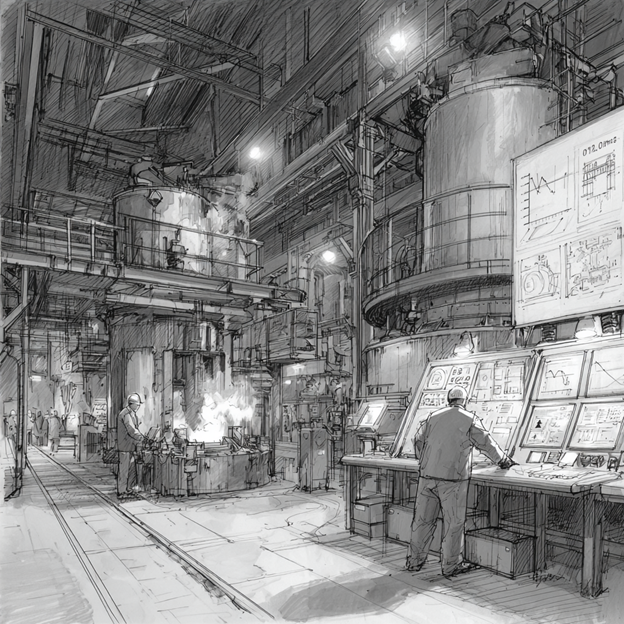
Second, energy must be treated as part of the value stream. This requires making energy flows visible and measurable throughout each production step, much like material and information flows. Tools such as Energy Value Stream Mapping (E-VSM) help identify where energy is consumed and wasted, enabling targeted improvements.
Third, energy efficiency must be embedded into continuous improvement cycles. Establishing energy-related Key Performance Indicators (KPIs), such as kilowatt-hours per unit produced, and enabling real-time monitoring, fosters a culture of accountability and iterative enhancement.
Impact on Profit Margins
Reducing energy consumption leads to an immediate and tangible impact on operating margins. In most industries, energy accounts for 15% to 40% of total operating costs. Even a modest reduction such as 5% to 10% can result in significant financial savings, especially in energy-intensive sectors. These savings are realized without increasing output or prices, thus directly improving profit margins.
Moreover, the return on investment for lean energy initiatives tends to be short-term. Projects such as motor control upgrades, heat recovery, insulation improvements, and compressed air optimization often pay back within 6 to 24 months. Unlike capital-intensive automation or expansion projects, lean energy improvements typically involve lower risk and faster implementation.
Insights from Systems Physics: Energy Retention and Conversion
Analogies can be drawn between industrial energy optimization and principles found in systems physics, particularly in the field of inertial confinement fusion (ICF). In fusion research, only a fraction of the input energy contributes to productive output; thus, system performance is highly sensitive to energy losses and conversion efficiency. Similarly, in industrial systems, only the energy effectively converted into useful work adds value, while the remainder constitutes waste.
Understanding the point of diminishing returns is crucial. Initial improvements in energy efficiency often yield the highest impact. Therefore, lean energy strategies emphasize prioritizing interventions based on their payback period and loss intensity, a concept that aligns with energy gradient theory in physical systems.
Conclusion
Lean energy provides a practical, systematic, and financially attractive pathway for businesses to reduce energy consumption while simultaneously improving profit margins. Unlike traditional sustainability strategies that often prioritize long-term goals, lean energy delivers immediate results with minimal investment.
By integrating energy considerations into lean thinking, organizations can transform energy from a hidden cost into a visible driver of operational excellence. The key to success lies in identifying invisible energy waste, embedding energy metrics into daily operations, and continuously seeking opportunities for reduction. This approach not only supports environmental responsibility but also enhances resilience and competitiveness in energy-volatile markets.



Leave a Reply