


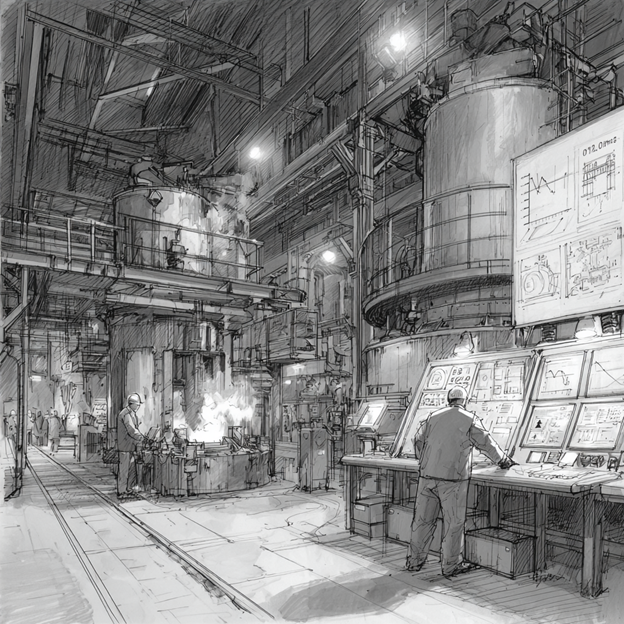
Improving Profit Margins Through Lean Energy: A Systematic Approach to Reducing Industrial Energy Consumption
The lean energy approach aims to simultaneously achieve environmental sustainability and business profitability by eliminating energy waste and systematically reducing energy use in production systems. This study analyzes the short-term impact of energy consumption reduction on profit margins by integrating the philosophy of lean manufacturing with energy efficiency strategies. It demonstrates that low-cost interventions in
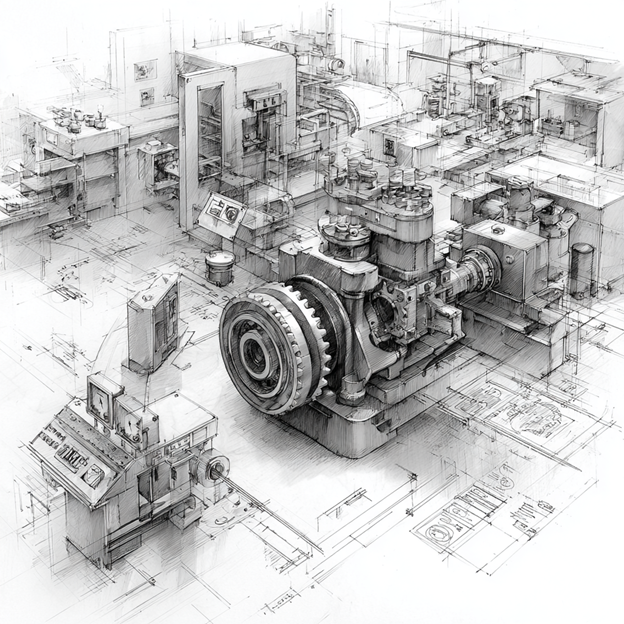
The ROI of Sustainability Begins with Energy Efficiency: A Strategic and Financial Perspective
This article examines the return on investment (ROI) of sustainability through the lens of energy efficiency, positing that it serves as the most cost-effective and strategically sound entry point for businesses transitioning toward environmentally responsible operations. Drawing on empirical studies and industry reports, it articulates how energy efficiency initiatives deliver measurable financial returns, enhance asset val
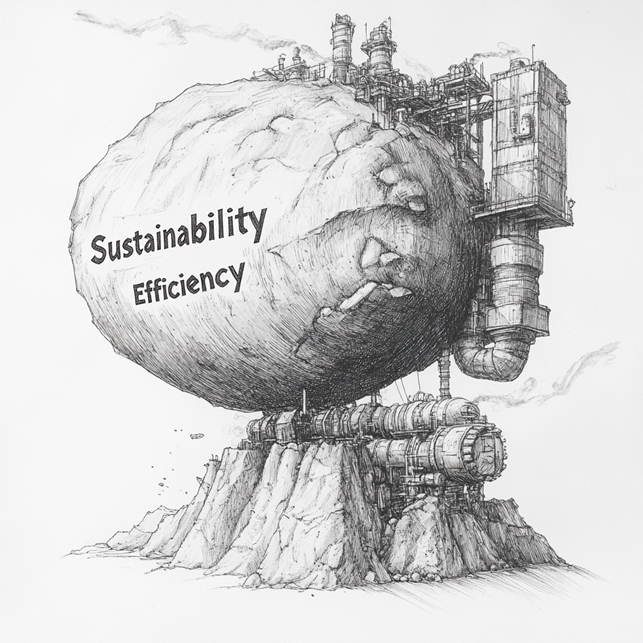
Sustainability Is a Burden. Energy Efficiency Is Freedom
In contemporary industrial strategy, the word “sustainability” carries considerable weight politically, legally, and reputationally. It defines much of the external pressure that corporations face today. But in strictly technical and operational terms, sustainability targets are imposed conditions. They do not arise from within a plant’s process optimization logic, nor do they typically correlate with immediate operati

Sustainable Production as a Pathway to Industrial Transformation
In the face of climate change, resource scarcity, and environmental degradation, industries are under increasing pressure to adopt sustainable practices. Traditional production models—focused on speed, cost, and output—are no longer viable when they come at the expense of environmental health. In this context, production systems that emphasize efficiency, resource optimization, and waste reduction are proving essential t
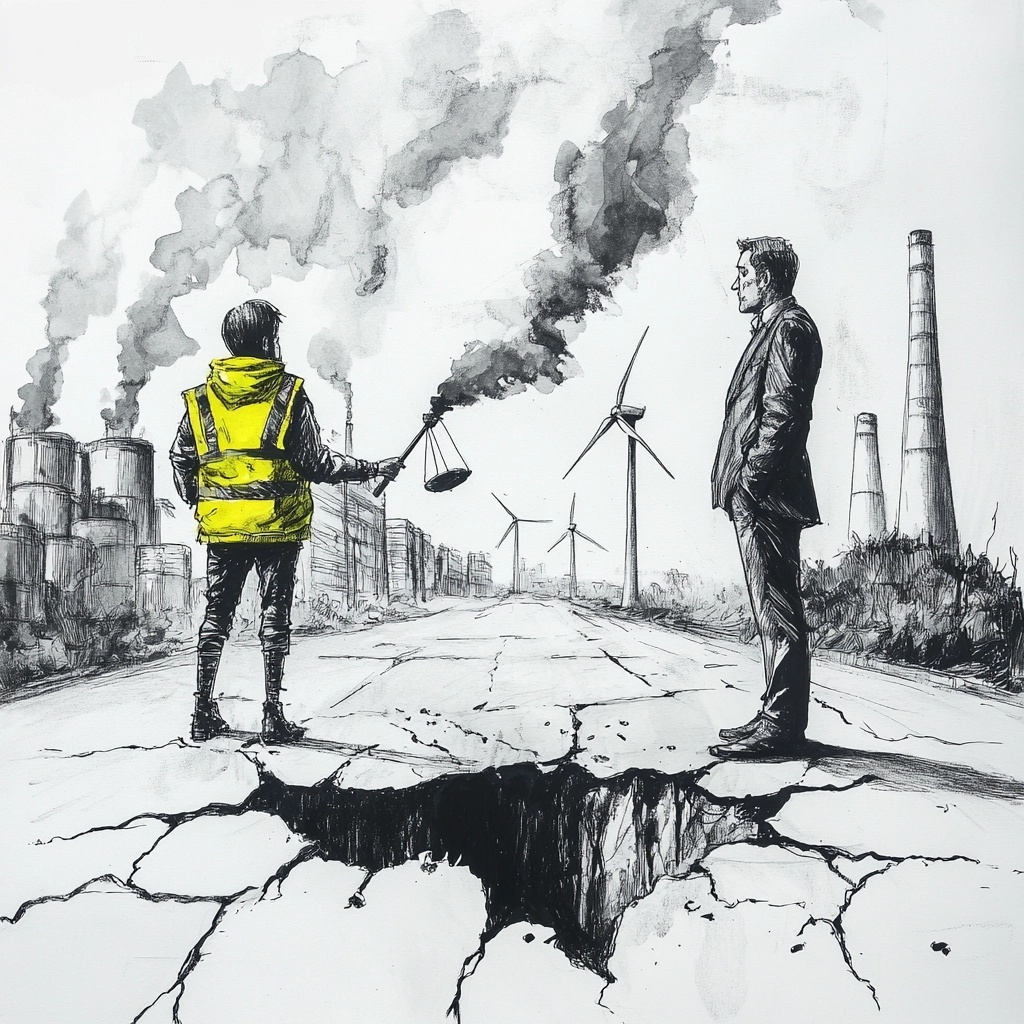
Climate Laws and Society: A Critical Perspective on Justice, Equity, and Public Trust
Climate change has become one of the most pressing challenges of the 21st century. In response, countries across the globe are adopting ambitious climate laws, including carbon pricing, emissions trading systems, energy transition strategies, and fossil fuel phase-outs. These laws aim to steer societies toward decarbonization, reduce global temperature rise, and protect ecosystems for future generations.
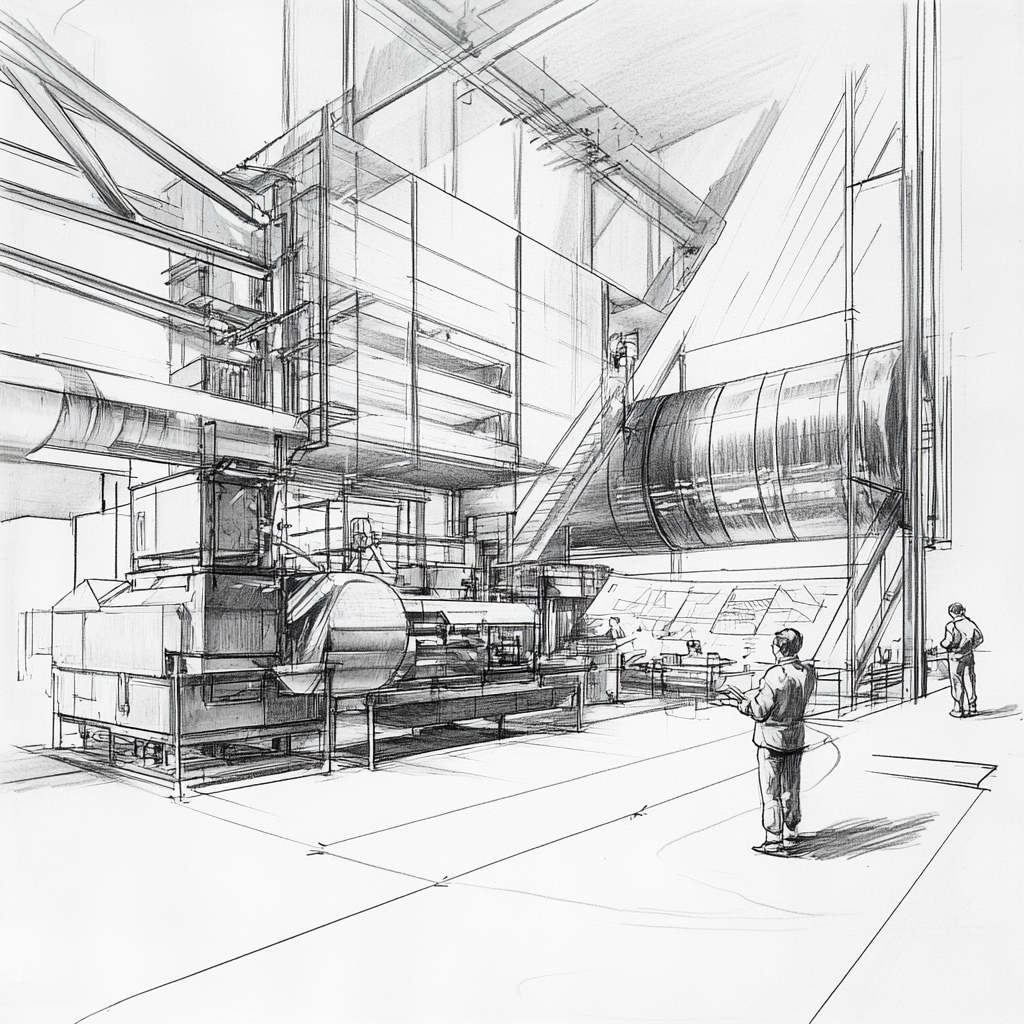
Lean Energy: Bridging Sustainability and Efficiency for Organizational Renewal
In the face of growing climate concerns and the transition toward greener economies, companies are under increasing pressure to embed sustainability into their operations. But sustainability often competes with profitability and efficiency unless the two are integrated through a framework like Lean Energy.

Mass Balance Method in CBAM: Process Emissions Accounting in the Steel Industry and Beyond
The Mass Balance method, as defined by the EU Implementing Regulation (EU) 2023/1773 on the Carbon Border Adjustment Mechanism (CBAM), is central for emissions reporting in industries where greenhouse gas emissions result from chemical transformations of carbon-containing inputs. In contrast to emissions from combustion, which are often calculated via energy balances or emission factors, this method is based on tracking the
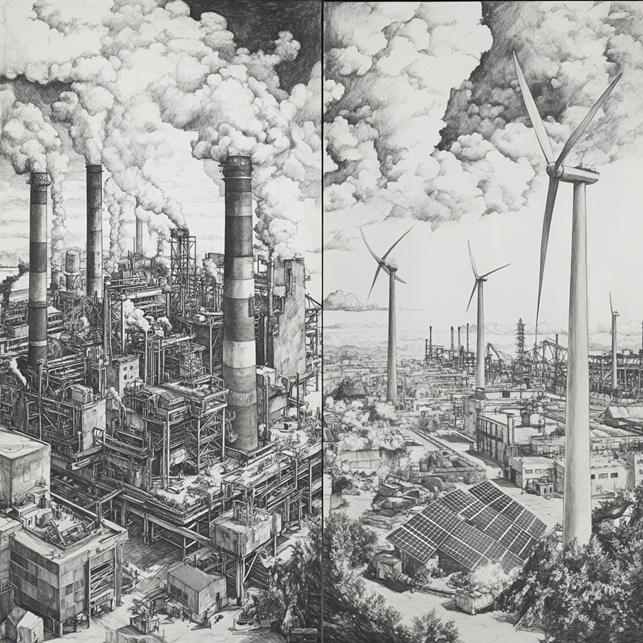
The Death of Progress: How the Green Steel Obsession Killed a Decade of Metallurgical Excellence
Between 2010 and 2020, the global steel industry underwent a transformative decade—driven not by slogans or carbon accounting, but by metallurgical competition. It was a golden age of technical rivalry between established producers in Europe and fast-rising giants in Asia, notably China and South Korea.
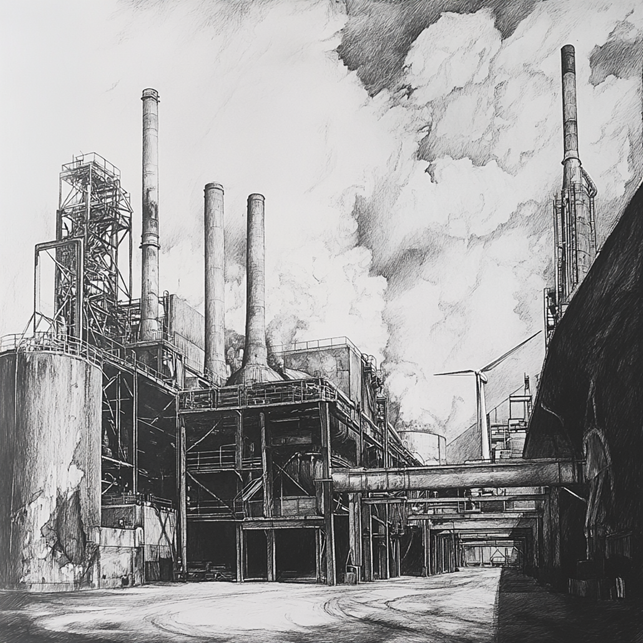
European Commission Unveils Comprehensive Steel and Metals Action Plan to AddressCompetitiveness and Decarbonization Challenges
The European Commission has released a detailed European Steel and Metals Action Plan, outlining a strategic roadmap to address the pressing challenges facing the continent’s steel and metals industries. The plan, published on March 19, 2025, aims to bolster the competitiveness, sustainability, and resilience of these critical sectors, which are foundational to Europe’s industrial base, economic security, and defense cap
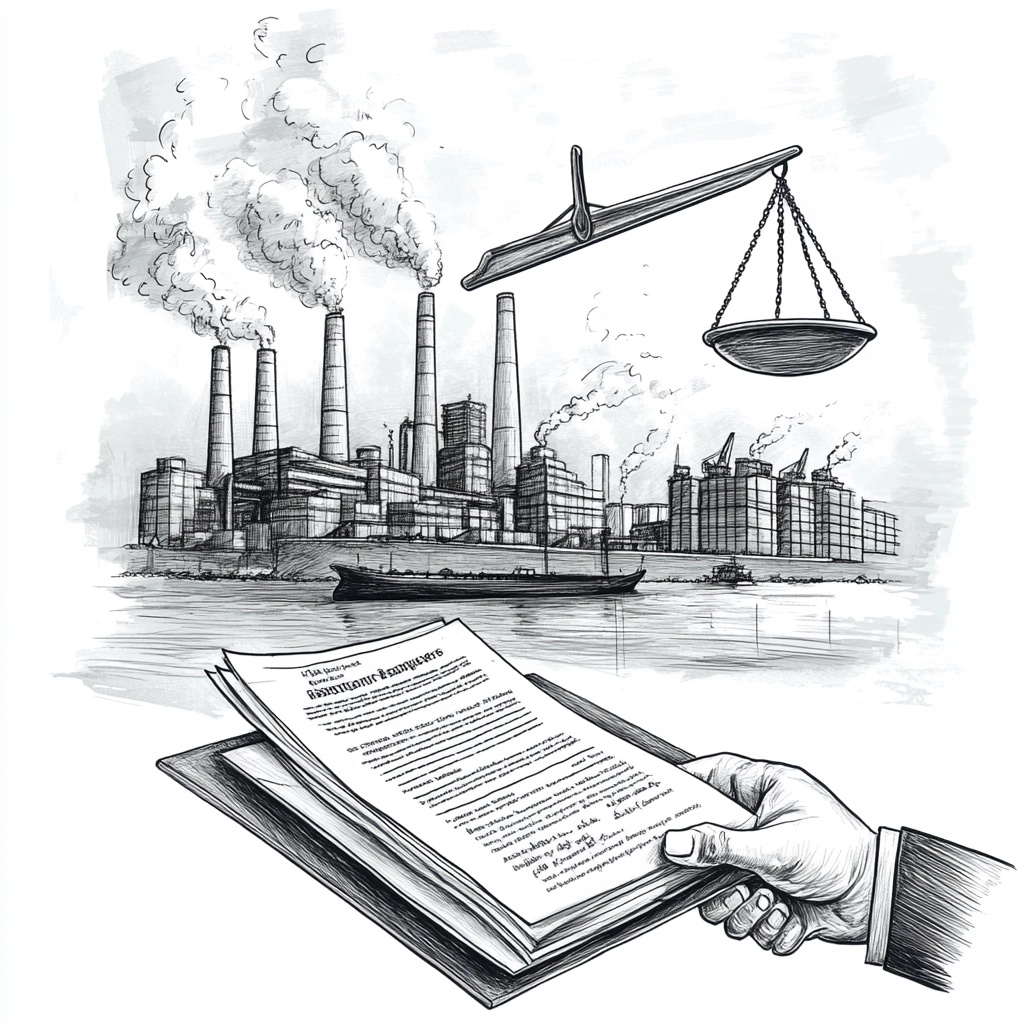
CBAM and Corporate Sustainability Reporting: The European Commission’s New Proposal
The European Commission has put forward a new legislative package aimed at simplifying EU regulations, enhancing competitiveness, and reducing the administrative burden on businesses. This package, known as the ‘Omnibus’ proposal, includes significant updates to the Corporate Sustainability Reporting Directive (CSRD), the Corporate Sustainability Due Diligence Directive (CSDDD), and the Carbon Border Adjustment Mechanism