


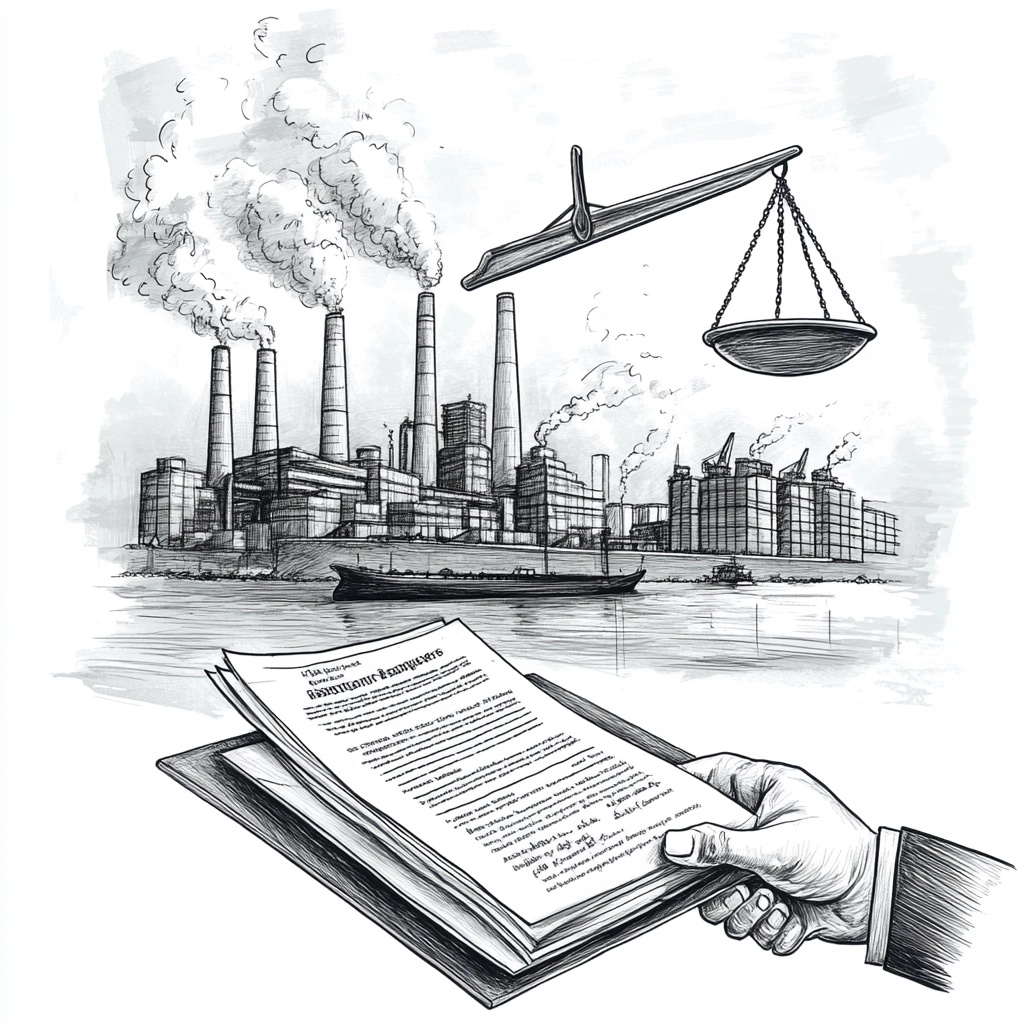
CBAM and Corporate Sustainability Reporting: The European Commission’s New Proposal
The European Commission has put forward a new legislative package aimed at simplifying EU regulations, enhancing competitiveness, and reducing the administrative burden on businesses. This package, known as the ‘Omnibus’ proposal, includes significant updates to the Corporate Sustainability Reporting Directive (CSRD), the Corporate Sustainability Due Diligence Directive (CSDDD), and the Carbon Border Adjustment Mechanism
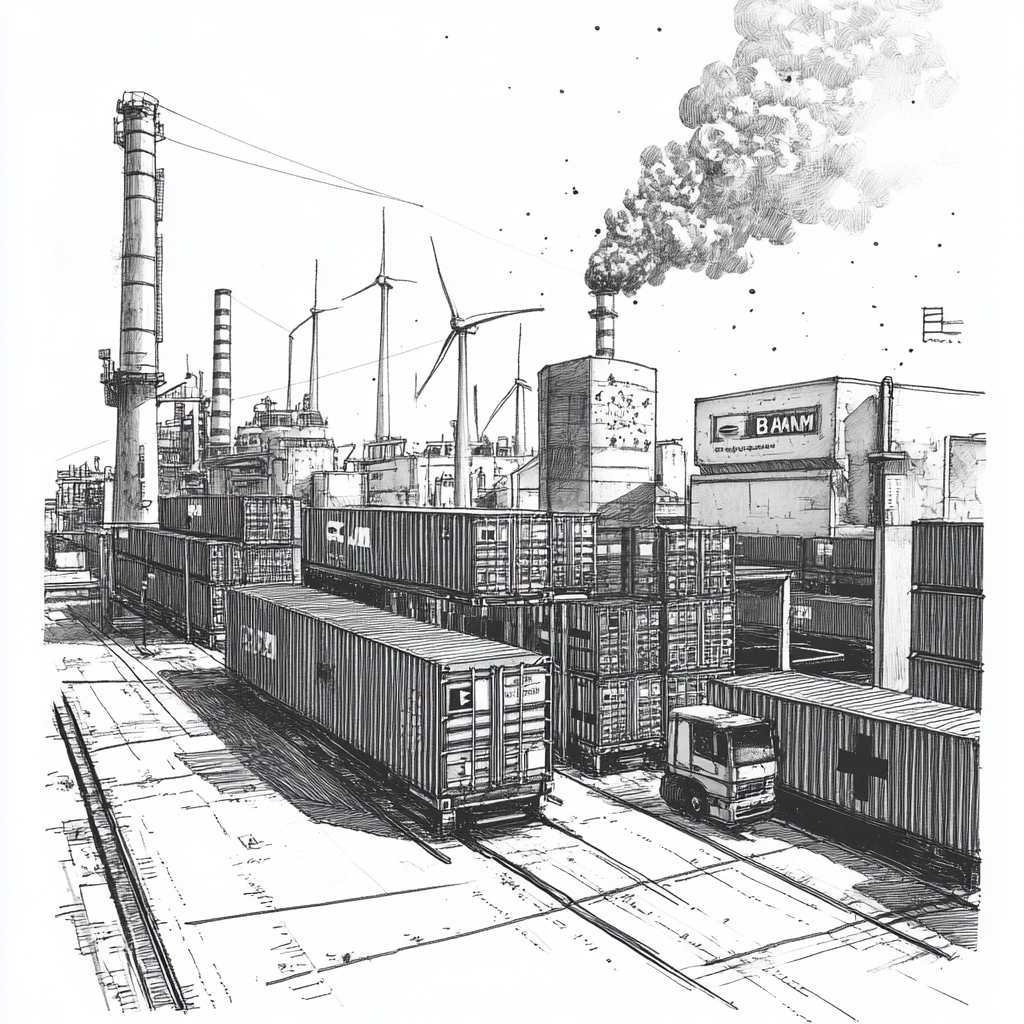
CBAM: New Commission Proposal to Simplify and Strengthen
The European Commission has adopted a new package of proposals to simplify EU rules, enhance competitiveness, and unlock additional investment capacity. This is an important step towards creating a more favorable business environment that supports the growth, innovation, and job creation of EU companies. By integrating competitiveness and climate goals, we are creating the necessary conditions for EU businesses to thrive, at
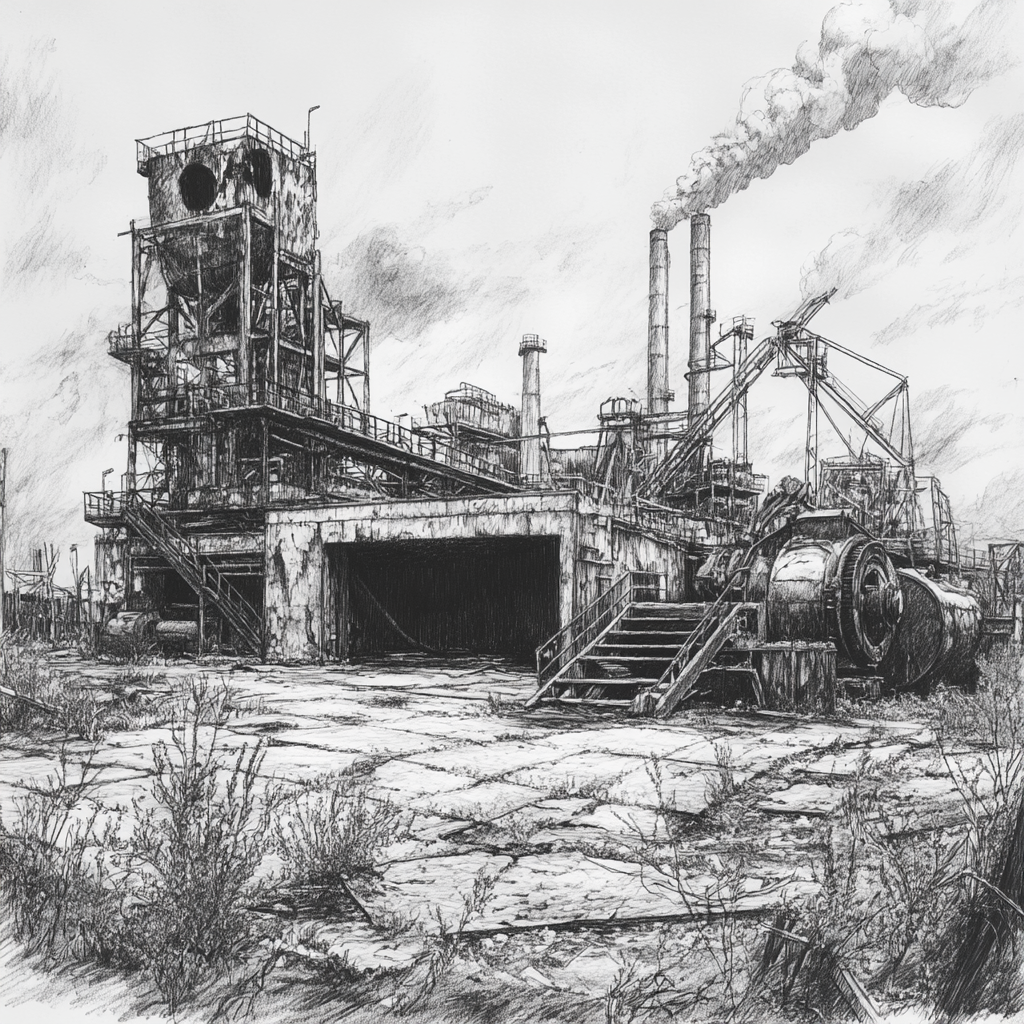
The Decline of European Steel: How Economic Crisis and Overregulation Are Undermining Technological Leadership
European steel has long been a benchmark for quality and innovation, leading the global market in the development of advanced grades for automotive, aerospace, and energy applications. However, the sector is now in a critical state. The combined pressure of an ongoing economic crisis, surging energy costs, and an uncompromising regulatory focus on sustainability is eroding the industry’s competitive edge. Meanwhile, non-EU
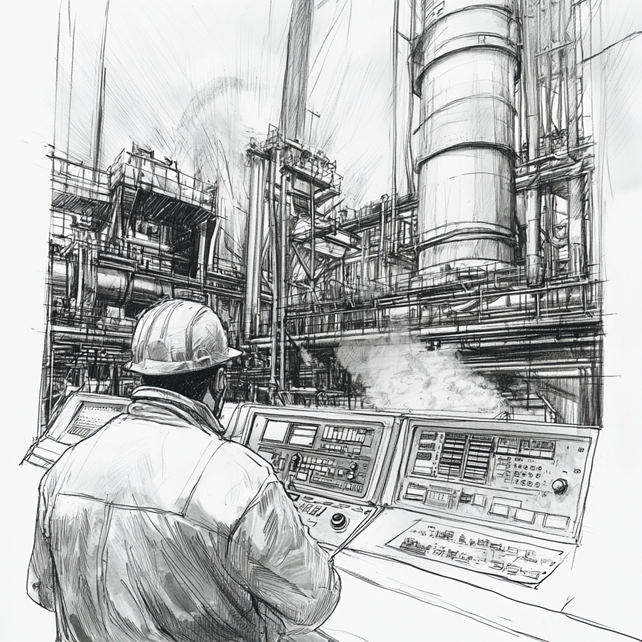
Sustainability Is an Empty Promise Without Energy Efficiency: The Hard Truth Behind Industrial
Sustainability has become the corporate mantra of the 21st century. Net-zero targets, green steel, hydrogen-based processes, and carbon offsets dominate the headlines. Yet, beneath the surface of these ambitious declarations lies an uncomfortable reality: without energy efficiency, sustainability in heavy industry is nothing more than an illusion.
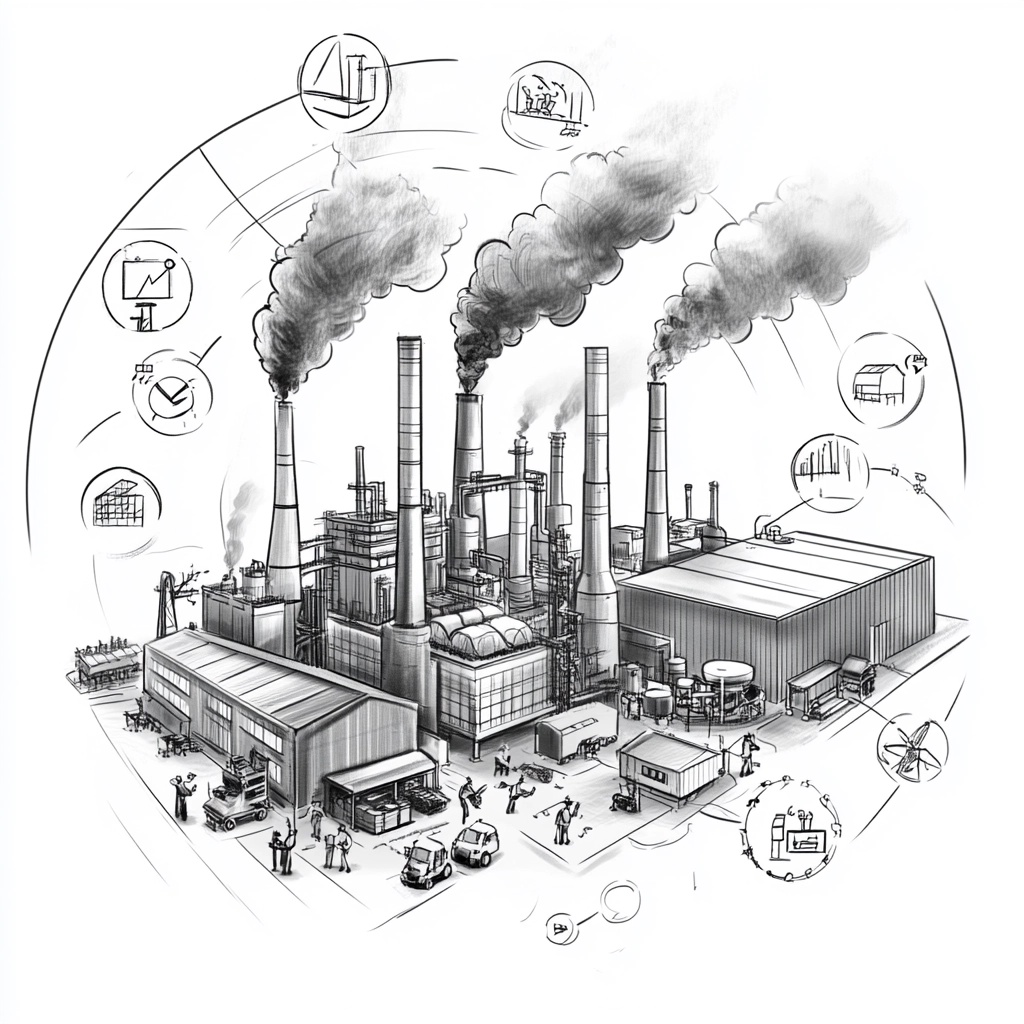
Corporate Greenhouse Gas Inventory and Lean Energy Approaches
Today, in addition to energy use, it is crucial for organizations to assess their overall impact on global climate change. Corporate greenhouse gas (GHG) inventories help companies identify opportunities for emission reduction. A GHG inventory is an accounting system that tracks the amount of greenhouse gas emissions released into or removed from the atmosphere over a given period. These inventories allow companies to analyz