European Commission Unveils Comprehensive Steel and Metals Action Plan to AddressCompetitiveness and Decarbonization Challenges
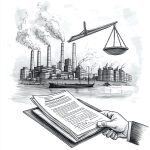
The European Commission has released a detailed European Steel and Metals Action Plan, outlining a strategic roadmap to address the pressing challenges facing the continent’s steel and metals industries. The plan, published on March 19, 2025, aims to bolster the competitiveness, sustainability, and resilience of these critical sectors, which are foundational to Europe’s industrial base, economic security, and defense capabilities.
Context and Challenges
Europe’s steel and metals industries have long been cornerstones of its industrial economy. However, the sectors are under significant strain due to a combination of global overcapacity, rising energy costs, and the urgent need to decarbonize. The EU’s share of global steel production has declined to 7-8%, while primary aluminum production now accounts for just 3.8% of global output. This decline is exacerbated by the rapid expansion of production capacities in countries such as China and India, often supported by distortive subsidies.
The situation is particularly acute for aluminum and nickel, where EU production meets only 46% and 25% of domestic demand, respectively. With demand for these metals projected to grow significantly by 2030, ensuring a stable and resilient supply chain is critical, especially for defense and aerospace industries, which rely heavily on these materials.
Strategic Objectives and Key Pillars
The European Steel and Metals Action Plan is structured around six key pillars, each designed to address specific challenges and opportunities:
- Ensuring Access to Clean and Affordable Energy: Energy costs represent a significant portion of production costs for steel and metals, with electricity prices in the EU being 2-3 times higher than in the US. The plan proposes measures to lower energy prices, accelerate grid connections, and promote the use of renewable and low-carbon hydrogen. It also emphasizes the importance of energy efficiency and waste heat recovery to reduce overall energy consumption.
- Preventing Carbon Leakage: The Carbon Border Adjustment Mechanism (CBAM) will play a central role in preventing carbon leakage. The plan also addresses risks of circumvention and greenwashing, ensuring that the EU’s climate goals are not undermined by unfair practices. The Commission will propose extending CBAM to certain downstream products and introduce anti-circumvention measures.
- Promoting and Protecting European Industrial Capacities: The EU will strengthen trade defense instruments to protect its industries from unfair global competition. This includes adjusting the steel safeguard measures and considering new rules to trace the origin of metal products, such as the “melted and poured” rule, to prevent circumvention of trade defense measures.
- Promoting Circularity for Metals: Enhancing circularity is essential for decarbonization. The plan aims to increase the use of recycled metals, improve waste management, and create a single market for secondary raw materials. It also proposes setting targets for recycled content in key sectors such as automotive and construction.
- Defending Quality Industrial Jobs: The plan emphasizes the importance of protecting high-quality jobs in the steel and metals sectors. It calls for stronger social dialogue, active labor market policies, and support for workers affected by the green and digital transitions. The Commission will propose amendments to the European Globalisation Adjustment Fund Regulation to extend support to companies in restructuring processes.
- De-Risking Decarbonization Projects: The plan outlines measures to support decarbonization investments, including public funding, innovation grants, and the creation of lead markets for low-carbon metals. It also proposes a voluntary label for the carbon intensity of industrial products, starting with steel in 2025.
Implementation and Next Steps
The successful implementation of the European Steel and Metals Action Plan will require close collaboration between the European Commission, Member States, industry stakeholders, and social partners. The Commission will continuously monitor the sector’s resilience and decarbonization progress, making policy adjustments as needed.
Key actions include:
Energy: Lowering energy prices for energy-intensive industries, accelerating grid connections, and promoting renewable and low-carbon hydrogen.
Trade Defense: Adjusting steel safeguard measures and introducing new rules to trace the origin of metal products.
Circularity: Setting targets for recycled content in key sectors and improving waste management.
Jobs: Strengthening social dialogue and supporting workers through the green and digital transitions.
Decarbonization: Supporting decarbonization investments through public funding and innovation grants.
Conclusion:
The European Steel and Metals Action Plan represents a comprehensive and strategic approach to addressing the challenges facing Europe’s steel and metals industries. By focusing on competitiveness, sustainability, and resilience, the plan aims to ensure that these critical sectors continue to thrive in a rapidly changing global landscape.
The Commission calls on the European Parliament, the Council, and all relevant stakeholders to work together on the implementation of this action plan. Only through collective effort can we maintain and enhance production capacities in Europe, secure steady and reliable supply for our key industries, and achieve our climate and environmental goals.


Leave a Reply