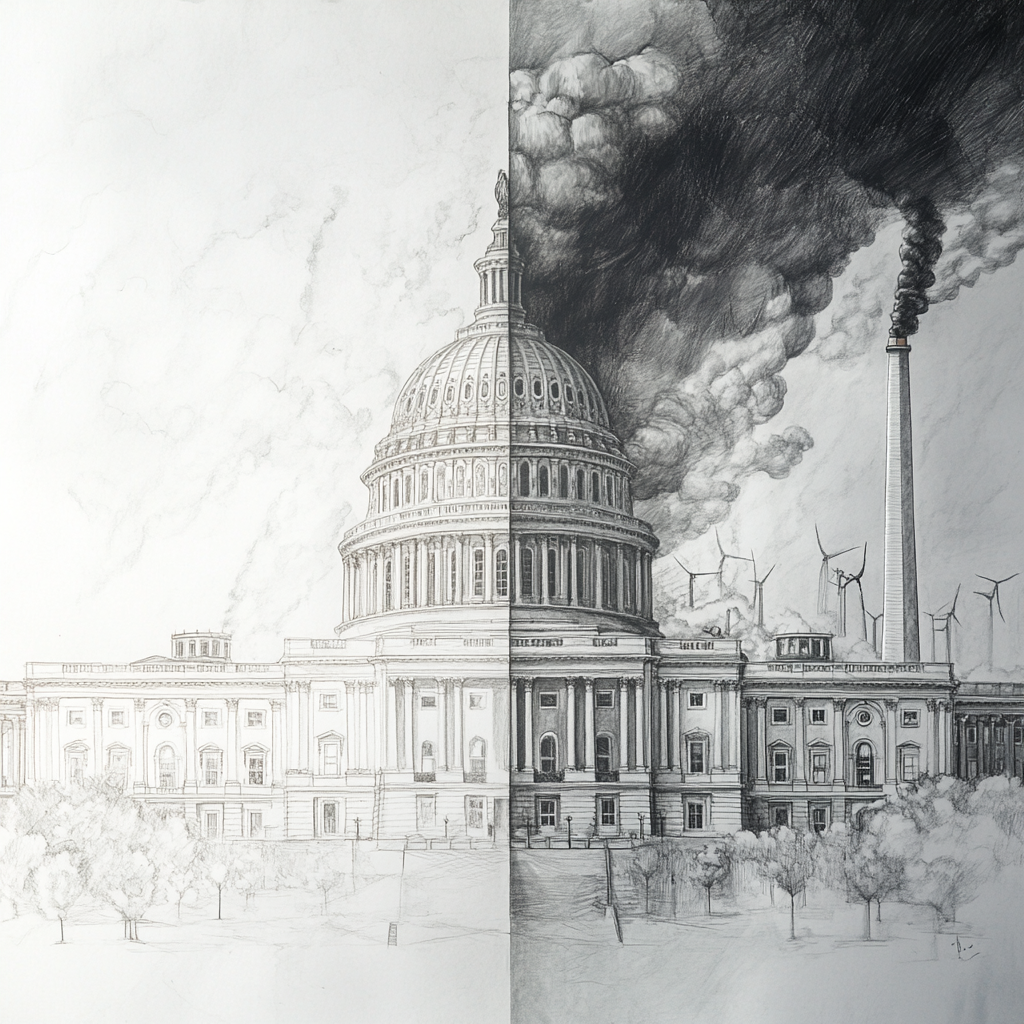
In a move that surprised few, Donald Trump announced his intention to withdraw the U.S. from the Paris Agreement once again during his 2024 presidential campaign. On Inauguration Day, he signed an executive order initiating the withdrawal process, declaring, “The United States will not sabotage our own industries while China pollutes with impunity.”
Under the Paris Agreement’s rules, the withdrawal process takes one year, meaning the U.S. will officially exit in January 2026. Until then, the U.S. remains technically bound to its commitments, though analysts fear the Trump administration may simply ignore them. Trump’s executive actions also targeted Biden-era climate policies, including a moratorium on new wind energy projects on federal lands and the revocation of the U.S. International Climate Finance Plan.
Economic Effects on EU Importers and Broader Implications
The U.S.’s withdrawal from the Paris Agreement and its rollback of climate policies could have significant economic effects, particularly for EU importers and the broader global economy. Here are some key possibilities:
- Carbon Border Adjustment Mechanisms (CBAMs) and Trade Dynamics
The European Union has been a global leader in climate action, implementing ambitious policies like the European Green Deal and the Carbon Border Adjustment Mechanism (CBAM). The CBAM, set to take full effect by 2026, imposes tariffs on imports from countries with weaker climate policies, ensuring that EU industries remain competitive while reducing carbon leakage.
If the U.S. withdraws from the Paris Agreement and weakens its domestic climate policies, American exporters could face higher tariffs on goods entering the EU. This would increase costs for U.S. industries, particularly in carbon-intensive sectors like steel, aluminum, and chemicals. Conversely, EU importers may face higher prices for U.S. goods, potentially leading to a shift in trade patterns as they seek suppliers from countries with stronger climate commitments.
- Competitive Disadvantage for U.S. Industries
The U.S.’s withdrawal could also put its industries at a competitive disadvantage in the global market. As the EU and other regions invest heavily in clean energy and green technologies, U.S. companies may lag behind, missing out on opportunities in rapidly growing sectors like renewable energy, electric vehicles, and sustainable manufacturing. This could stifle innovation and limit the U.S.’s ability to compete in the global green economy.
- Impact on EU Importers
For EU importers, the U.S.’s withdrawal could create both challenges and opportunities. On one hand, higher tariffs on U.S. goods could disrupt supply chains and increase costs. On the other hand, it could accelerate the EU’s shift toward sourcing from countries with stronger climate policies, fostering closer trade relationships with nations that align with its environmental goals.
- Global Market Uncertainty
The U.S.’s fluctuating climate policies create uncertainty in global markets, making it difficult for businesses to plan long-term investments. This uncertainty could deter foreign investment in U.S. industries and weaken the country’s position as a reliable trading partner. For EU importers, this may mean diversifying supply chains to reduce reliance on the U.S. market.
- Opportunities for EU Leadership
The U.S.’s withdrawal presents an opportunity for the EU to strengthen its leadership in global climate action. By doubling down on its commitment to the Paris Agreement and advancing initiatives like the CBAM, the EU can position itself as a hub for sustainable trade and innovation. This could attract investment, boost green industries, and enhance the EU’s influence in shaping global climate policy.
The Path Forward
The U.S.’s turbulent relationship with the Paris Agreement underscores the challenges of addressing climate change in a politically polarized world. While federal policy reversals create uncertainty, the actions of cities, states, businesses, and citizens demonstrate that climate progress is still possible.
The world is not on track to meet the Paris Agreement’s 1.5°C target, and the stakes have never been higher. Record-breaking heatwaves, devastating wildfires, and increasingly intense hurricanes are stark reminders of the urgent need for action. As the U.S. navigates its climate policy, one thing is clear: the fight against climate change requires sustained, collective effort—and leadership.
Conclusion
The U.S.’s journey with the Paris Agreement reflects the broader struggle to balance economic interests with environmental imperatives. From Trump’s withdrawals to Biden’s ambitious agenda, the U.S. has been both a leader and a laggard in the global climate movement. As the world grapples with the escalating climate crisis, the need for consistent, long-term policies has never been more urgent. While setbacks are inevitable, the progress made by subnational actors and international partners offers hope that a sustainable future is still within reach.






Leave a Reply