Industry 5.0 supports smart energy management systems that optimize energy consumption using technologies such as artificial intelligence (AI) and machine learning (ML). These systems make energy use more efficient through real-time data collection and analysis capabilities. For example:
Monitoring and Analyzing Energy Consumption: IoT (Internet of Things) devices and smart sensors continuously monitor energy consumption in factories, offices and homes. This data is analyzed by AI to provide recommendations to save energy.
Energy Demand Forecasting: Big data analytics and AI optimize energy production and distribution processes by forecasting energy demand. This enables more efficient use of energy resources.
Renewable Energy Integration
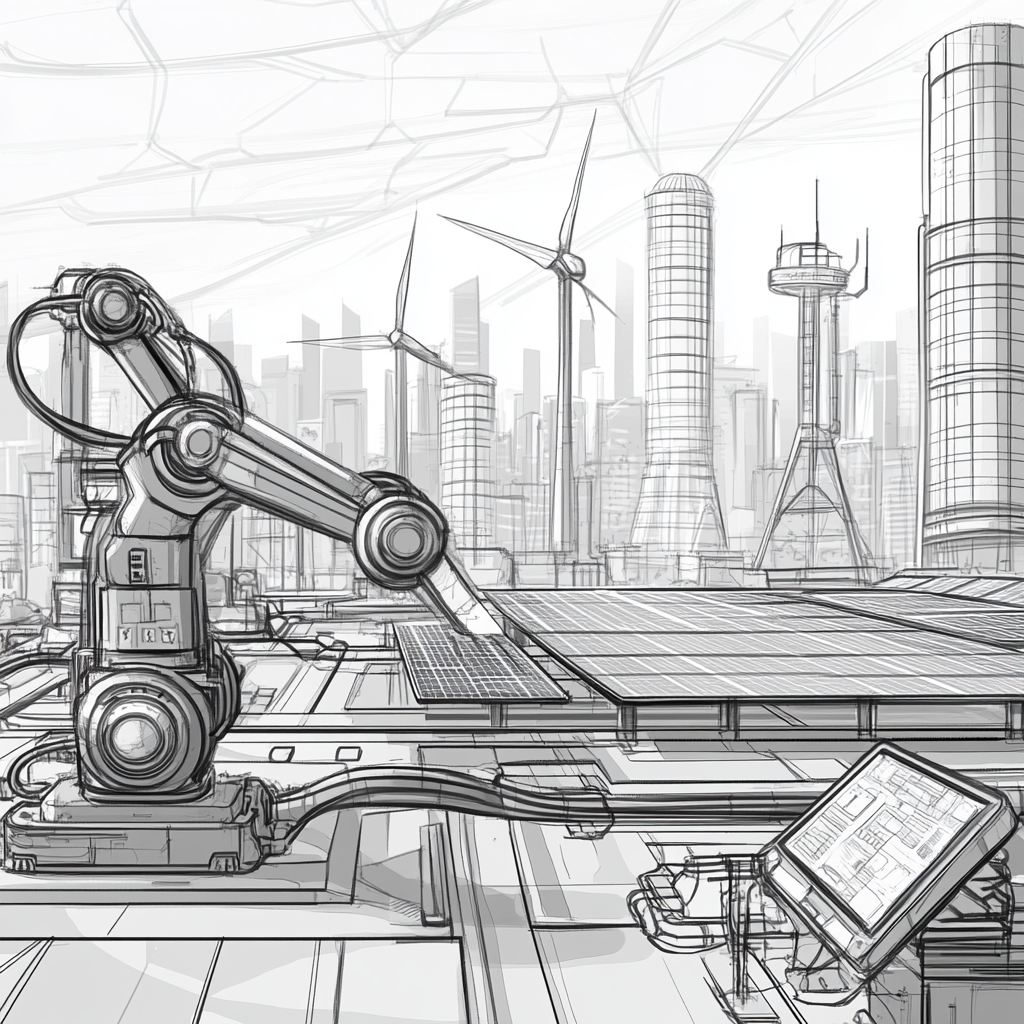
The Digital Circular Economy makes it possible to integrate renewable energy sources (solar, wind, geothermal, hydroelectric) more effectively. This integration helps to minimize waste energy while ensuring that energy production is sustainable.
Smart Grids: Smart grids integrate renewable energy sources into conventional energy systems. These grids automatically manage energy resources according to energy demand and work in harmony with energy storage systems.
Energy Recovery and Waste Energy Utilization
Circular economy principles include energy recovery. Industry 5.0 digitizes these processes, making them more efficient.
Energy Generation from Waste Heat: Waste heat generated in industrial processes can be monitored and reused with digital sensors and AI-powered systems. This increases energy efficiency and reduces energy costs.
Bioenergy and Biomass: Biotechnology and genetic engineering enable biomass resources to be converted into energy more efficiently. This allows waste organic matter to be used in energy production.
Energy Trade with Blockchain Technology
Blockchain technology provides transparency and trust in energy trade and distribution. This technology facilitates energy trade by establishing a direct link between energy producers and consumers.
Energy Sharing Platforms: Blockchain-based platforms enable individuals and companies to share the renewable energy they produce. This makes it possible to distribute energy resources more fairly and efficiently.
Energy Certificates and Carbon Credits: Blockchain supports the financing of sustainable energy projects by facilitating the tracking of renewable energy certificates and carbon credits.
Energy Optimization with Quantum Computing
Quantum computing has the potential to revolutionize energy optimization and the design of energy systems. This technology improves energy efficiency by rapidly analyzing complex energy models.
Energy Network Optimization: Quantum computers enable the most efficient design of energy networks. This minimizes energy losses and optimizes energy distribution.
Materials Science and Energy Storage: Quantum computing accelerates the discovery of new energy storage materials, contributing to the development of more efficient batteries and energy storage systems.
Smart Cities and Energy Efficiency
Industry 5.0 and the Digital Circular Economy support the development of smart cities, improving energy efficiency. Smart cities combine many technologies that optimize energy consumption.
Smart Lighting Systems: IoT-based lighting systems reduce energy consumption while increasing user comfort.
Smart Buildings: Energy used in buildings is optimized by digital sensors and AI. This allows systems such as heating, cooling and lighting to operate more efficiently.
Biotechnology and Genetic Engineering in Energy Production
Biotechnology and genetic engineering enable the development of new methods of energy production. These technologies have great potential in areas such as biofuel production and the use of microorganisms in energy production.
Biofuel Production from Microalgae: Microalgae are used in biofuel production due to their high energy content and fast growth characteristics. This offers an alternative energy source to fossil fuels.
Synthetic Biology: Synthetic biology makes it possible to design new microorganisms that can be used in energy production. This allows energy production processes to become more sustainable.
Robotics and Automation to Reduce Energy Consumption
Industry 5.0 reduces energy consumption by using robotics and automation technologies. These technologies increase energy efficiency in production processes.
Energy Efficient Robots: Artificial intelligence-powered robots save energy in production processes by optimizing energy consumption.
Automated Energy Management: Automation systems prevent unnecessary energy use by continuously monitoring energy consumption.
Artificial Intelligence and Machine Learning in Energy Generation
Artificial intelligence and machine learning optimize energy generation processes, enabling more efficient use of sustainable energy resources.
Energy Production Forecasting: AI enables energy grids to operate more efficiently by predicting the production of renewable energy sources such as wind and solar energy.
Maintenance of Energy Systems: Machine learning prevents failures and ensures uninterrupted energy production by identifying maintenance needs of energy systems in advance.






Leave a Reply